How to Describe Tempera Paintings Smc Art History 11
For centuries, egg tempera was artists' preferred medium for panel paintings, and many of the medieval and renaissance masterpieces institute in museums and art galleries were executed in egg tempera. More durable than oil and with a luminosity similar to watercolour, egg tempera offers many advantages to artists willing to embrace the claiming of working with this ancient medium.
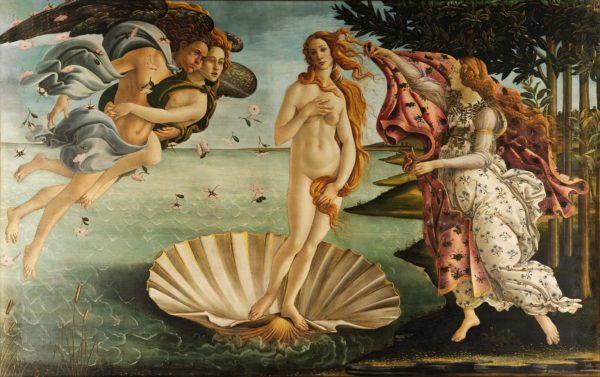
What is egg tempera?
Egg tempera is a form of paint that is created past mixing egg yolk with powdered pigments and a little water. Traditionally, tempera was applied to wooden panels, such equally poplar, coated with gesso.
Why use egg tempera?
Possibly the greatest appeal of egg tempera is the glowing quality that it provides. Tempera is more than transparent than oil and holds less pigment, which allows calorie-free to penetrate through it and reflect off the white surface of the gesso beneath. Some other advantage of egg tempera is that, unlike oil paintings, it is resistant to calorie-free, and its colours practise non darken or change with historic period.
How else is egg tempera different from oil?
Tempera cannot exist layered in the aforementioned way as oil pigment, and cannot be used to build impasto. It also dries far more chop-chop, meaning that artists must work on a small area at a fourth dimension, edifice upward successive layers of glazes using pocket-size strokes and cross-hatching. This makes it best suited to fine, detailed piece of work.
The history of egg tempera
Egg tempera was used in the ancient world, including in the famously life-like Fayum mummy portraits, produced in Egypt from around the 1st century BC to the 3rd century AD. In the early Christian era information technology was used to pigment icons, a tradition that has survived in the Eastern Orthodox Church until today.
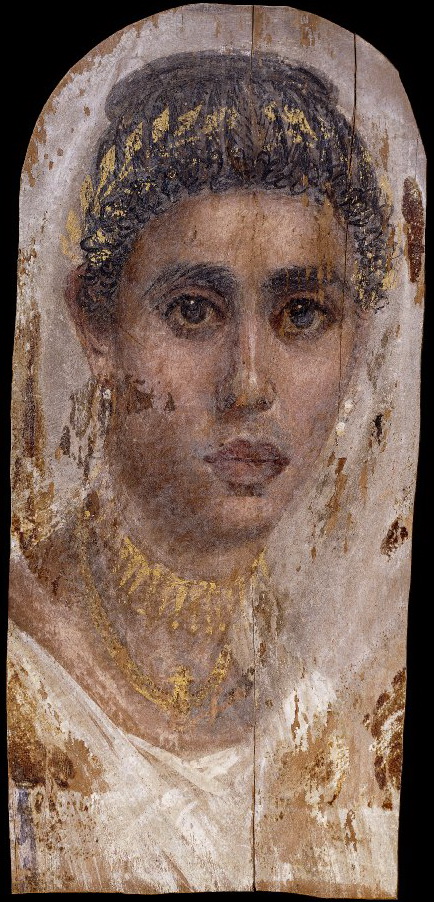
(image in the public domain)
While medieval artists busy the interiors of churches and secular palaces in fresco, egg tempera was used in almost all pocket-size-scale panel paintings until the 15th century, when Flemish artists such equally January van Eyck (1390–1441) increasingly favoured the medium of oil painting.
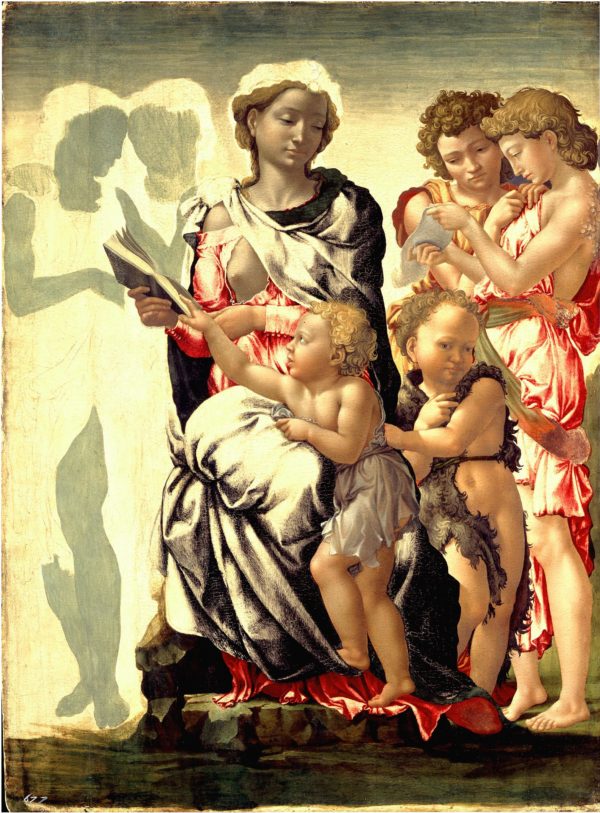
The work of Michelangelo (1475–1564) brilliantly captures the turning signal in Italian Renaissance art as painters switch from egg tempera to the medium preferred past their northern counterparts: in the National Gallery, London, visitors tin can usually observe ii unfinished works, the Manchester Madonna, painted in egg tempera in around 1497, hanging next to The Entombment, painted in oil in effectually 1500. From that time onwards oil became the dominant medium until the 19th century, when it was once again adopted past the Pre-Raphaelites, who sought to return art to a perceived state of purity constitute before 1500.
Egg tempera in the 20th century and across
While egg tempera has never been used every bit widely as information technology was until the High Renaissance, a number of 20th-century artists adopted the medium every bit their own, including Giorgio de Chirico (1888–1978), Stanley Spencer (1891–1959), and Andrew Wyeth (1917–2009).

Epitome courtesy of and copyright James Lynch. | Photo by © James Lynch
One artist who has been inspired both by the medieval masters and by Wyeth is the contemporary painter James Lynch, whose light-filled depictions of Westward Land skies and landscapes are highly sought after by collectors. Lynch originally painted in oil or watercolour, only later pedagogy himself to paint in tempera using the 15th-century handbook written past Cennino Cennini, has now been working in the medium for over twenty years.
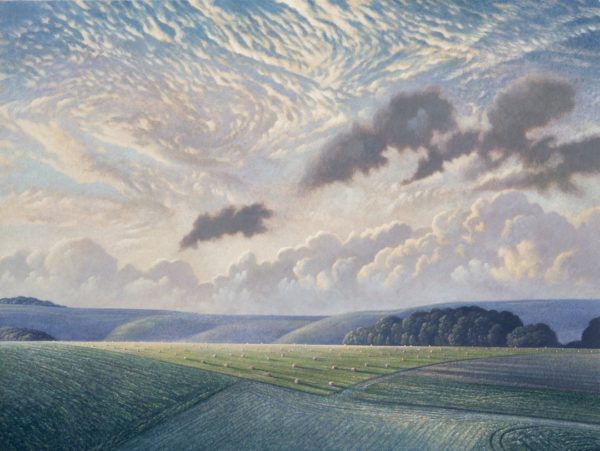
Image courtesy of and copyright James Lynch.
'I was e'er impressed by the strength of colour and the glow of the medieval tempera paintings in the National Gallery. But I also loved the chalky layered subtlety of Andrew Wyeth'southward paintings,' Lynch explains. 'I felt that I'd pushed gouache and watercolour to it's limit and needed a alter. I love the fact that I'm painting with a living medium, egg yolk, which literally gives life to the paint. Information technology has a waxy feel to it, and starts to fix as presently as it meets the surface. It's a affair of building up layers of glazes to proceeds a rich surface. The more one puts in, the greater the reward.' Lynch also enjoys the feeling of cocky-sufficiency that working in egg tempera provides, keeping his own hens to provide the steady supply of eggs that the medium requires, and preparing every office of his paintings past hand.
What supplies do y'all demand to pigment in egg tempera?
If you're tempted to try painting in egg tempera, the art supplies you'll need are:
- Panels: poplar was most ordinarily used by Italian Renaissance artists, and is more durable than MDF.
- Rabbit peel glue and whiting, to create the gesso ground for your painting.
- Egg yolks, advisedly separated from the egg white.
- Pigments: the nearly famous supplier (used by Chagall) is Sennelier.
- Soft hair and bristle brushes.
- A ceramic palette for mixing.
How to mix egg tempera
Step 1: Advisedly puncture the egg yolk over a drinking glass jar, and discard the membrane.
Step ii: Add an equal amount of h2o to the egg yolk, and stir.
Stride iii: Mix the liquid with powdered pigment on the palette. Note that egg tempera dries speedily, so y'all volition demand to set up new paint each solar day.
Where tin can I larn more?
In the United kingdom of great britain and northern ireland, The Royal Academy often runs curt courses in painting in egg tempera. In the USA, The Order of Tempera Painters lists upcoming courses.
Just wanted to say what a fantastic back up/info organization you run. I've simply read the newsletter regarding epitome copyright police force and it'due south very informative... thank you!"
 Michele Wallington
About The Writer
Source: https://blog.artweb.com/how-to/egg-tempera-medium/
0 Response to "How to Describe Tempera Paintings Smc Art History 11"
Post a Comment